

Download the full January 2026 newsletter (PDF)
January 2026
Newsletter
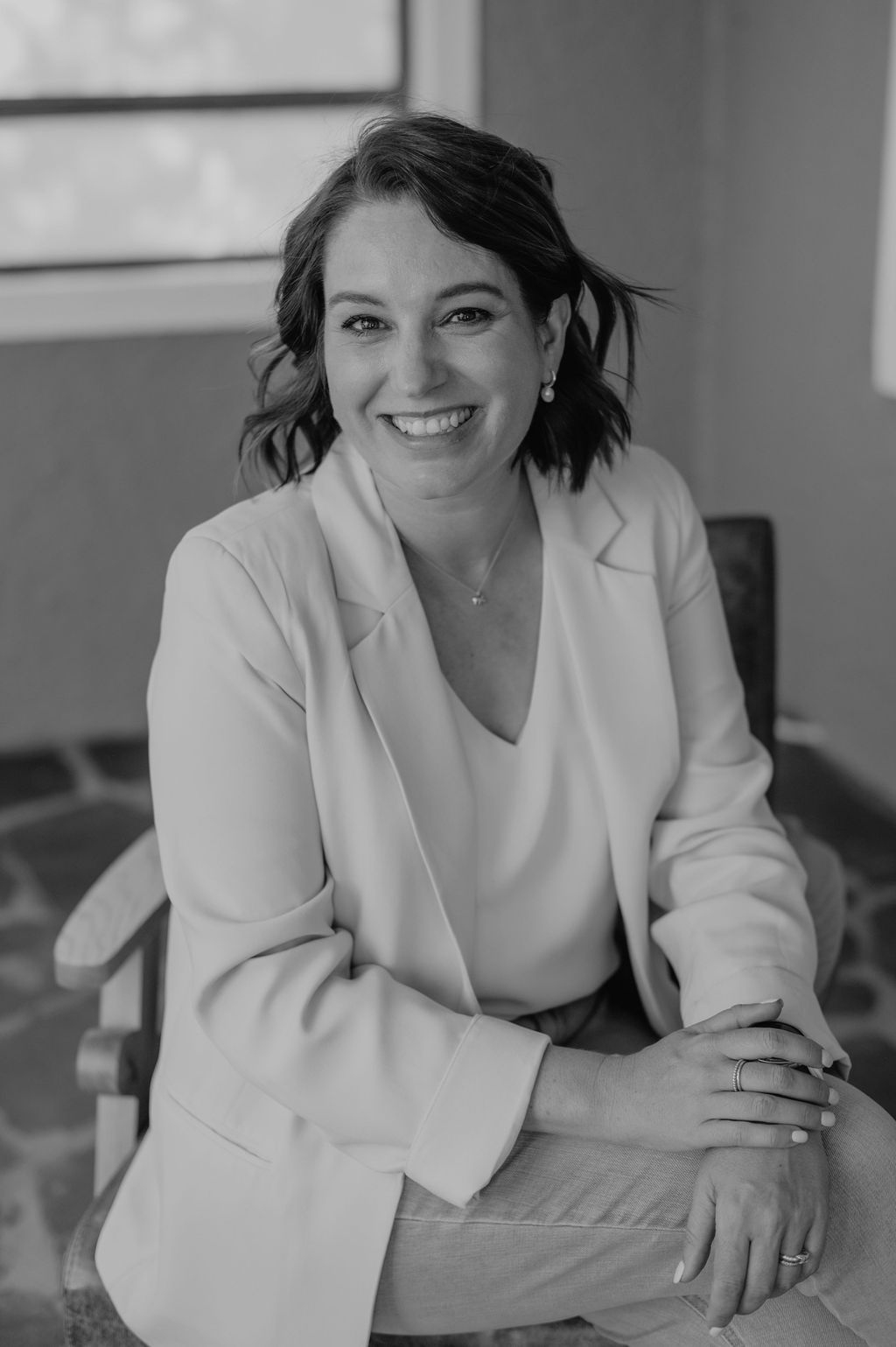
“Approach the New Year with resolve to find the opportunities hidden in each new day.” – Chamberlain University
Op 12 Januarie 2007 begin die klanke van ’n violis opklink by ’n besige treinstasie in Washington, D.C. Meer as 1 097 mense stap verby. Slegs sewe mense stop om te luister. Net een persoon herken die violis.
Dit is die wereldbekende violis Joshua Bell – wat speel op ’n 1713 Stradivarius-viool, ’n instrument van onskatbare waarde. Die vorige aand het hy by uitverkope musiek auditorium opgetree waar mense duisende rande betaal het vir ’n kaartjie.
Hierdie gebeurtenis staan bekend as die “Pêrels voor ontbyt”-eksperiment, en dit vra ’n eenvoudige maar ontstellende vraag:
Kan mense ware skoonheid raaksien te midde van die alledaagse gejaag?
Ons staan aan die begin van ’n nuwe jaar. As ons weer sien, is ons lewens besiger as ’n treinstasie. Mag ons hierdie jaar ingaan met ’n ingesteldheid om die mooi binne die gewone gang van die lewe raak te sien. Mag ons in 2026 opkyk, om ons kyk en na mekaar kyk en mag ons, onsself dwing om stil te staan en die musiek te hoor. -Ilouise
Finding Her Voice Again:
A Stroke Recovery Story
A Story of Survival and Recovery
In October 2025, in celebration of Stroke Awareness, we held a stroke support group. We invited patients to share their story, challenges and hope with one another. One of our patients graciously shared her personal journey with us. Her story reminds us of the suddenness of a stroke, the importance of rehabilitation, and the strength of the human spirit. With permission, we share her words below.
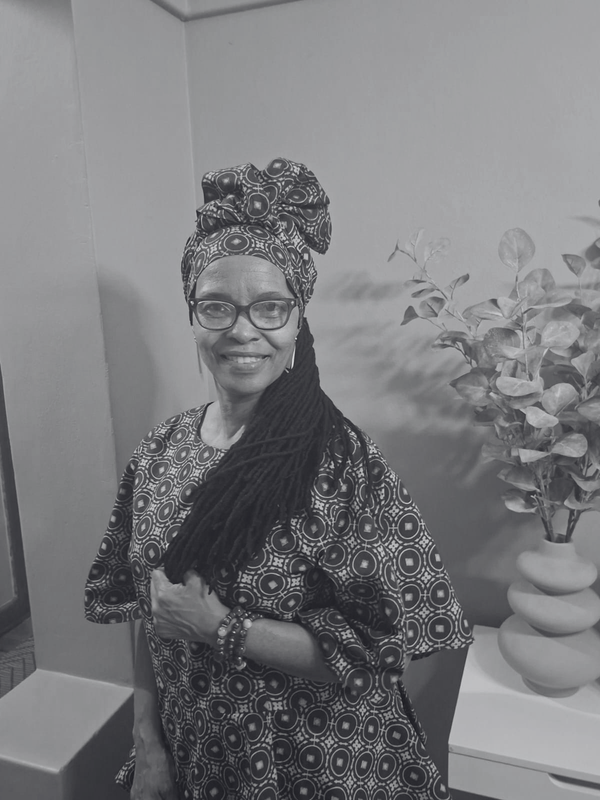
My name is Patricia Kelebogile Leeuw.
I was a teacher and a department head. I also served as a subject manager at Kgate Primary School.
I would like to share what happened to me.
On the 27th of February, 2023, I was on my way to submit a teacher’s portfolio and learners’ books at the district office. As I was climbing the stairs, on the very last step, I heard a sound in my head. In that moment, I knew that everything was not fine.
I could not walk, and I told them that I needed to go to the hospital.
I had an aneurysm. An artery in my brain had ruptured. My blood pressure was very high, and I underwent surgery. After that, I could not walk, and I had difficulty with speech.
I received treatment while I was in the ICU.
When I no longer had strength, I accepted what had happened to me. I surrendered to my Lord. He protected me and became my Saviour and my salvation. I am at the mercy of my God. Thank you. Thank you, my Lord.
I would like to thank the doctors, nurses, dieticians, occupational therapists, speech therapists, health workers, and trainers. I also thank my son, my family, and my friends who supported me.
I spent one month in ICU and then continued treatment and rehabilitation at CityMed Hospital. After three weeks at CityMed, I continued with speech therapy and occupational therapy once a month until the first week of December 2023.
I am still recovering, but I am a favour of God, and I am much, much better.
Thank you to everyone who supported me. I truly appreciate everything.
Patricia’s journey reminds us that recovery after stroke is possible, especially with early medical care, dedicated rehabilitation, and a strong support system. Speech therapy plays a vital role in helping survivors regain communication, confidence, and independence. We are honoured to walk alongside our patients on their journeys of healing and recovery.
Speech Therapy:
Helping Adults Find Their Voice
Struggling with speech or language as an adult is more common than you think—and help is available. Speech therapy can improve confidence, communication, and everyday life.
Many people think speech therapy is only for children, but adults of all ages can benefit. Whether it’s difficulty pronouncing words, stuttering, challenges after a stroke, or trouble with social or work communication, speech therapy can make a real difference.
It’s normal to feel hesitant or embarrassed, but seeking help is a sign of strength, not weakness. Clear, confident communication can improve your relationships, job performance, and overall quality of life.
How Speech Therapy Helps Adults:
- Improve clarity: Speak more clearly in conversations and at work
- Build confidence: Reduce anxiety about speaking in public or social situations
- Recover after illness or injury: Regain communication skills after stroke, brain injury, or other conditions
- Enhance daily life: Make ordering, calling, presenting, and socializing easier and more enjoyable
Tips
- Practice regularly: Read aloud or repeat exercises suggested by your therapist
- Slow down: Speak at a measured pace to improve clarity
- Record yourself: Listen back to notice patterns and track progress
- Engage socially: Practice conversations with supportive friends or family
- Be patient: Progress takes time, but every small improvement counts
Hearing & Brain Health:
The Hidden Connection
Did you know your hearing affects more than just your ears? Protecting your hearing can help protect your brain too.
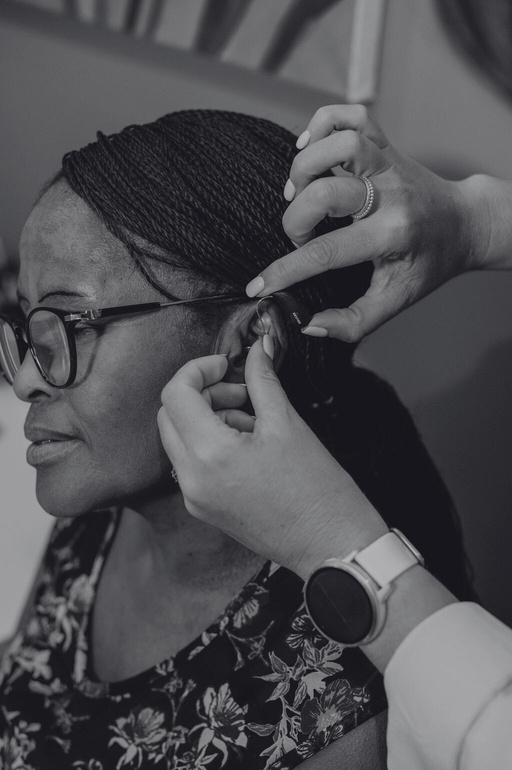
Our hearing is more than just detecting sounds—it’s a vital link between the world around us and our brain. Research shows that untreated hearing loss can increase cognitive load, affect memory, and even raise the risk of conditions like dementia.
When the brain has to work harder to process sounds, it diverts resources from other important functions, making daily thinking and memory tasks more difficult. Early identification and treatment of hearing loss can make a real difference for your cognitive health and quality of life.
Signs That You May Be Struggling:
- Asking people to repeat themselves often
- Difficulty following conversations in noisy places
- Turning up the volume on TVs or phones
- Feeling fatigued after social interactions
“Healthy hearing is healthy brainwork. Don’t wait to give your ears—and your mind—the care they deserve.”
The Power of a Hearing Aid
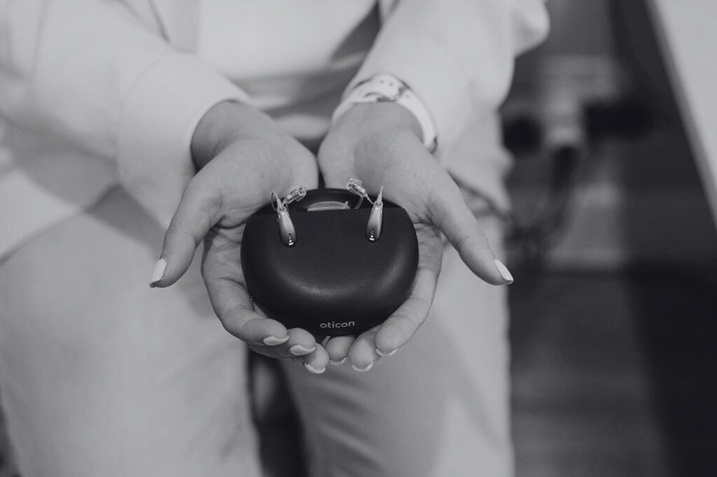
A hearing aid is more than just a device—it’s a gateway to reconnecting with the world around you. Imagine catching every laugh, every whisper, and every note of your favorite song with clarity you may have forgotten. With a hearing aid, everyday conversations become effortless, family moments richer, and social gatherings less tiring.
It restores confidence, independence, and the joy of truly being present. Struggling to hear doesn’t have to mean missing out; a hearing aid transforms sound from a distant echo into a vivid, vibrant part of life, giving you back the connections and experiences that make life meaningful.
Upcoming Important Days
5 February – Read Aloud Day
Read Aloud Day is a special day that celebrates the joy and importance of reading stories out loud. Reading aloud helps people, especially children, improve their vocabulary, listening skills, and understanding of stories. It also brings people together, creating shared moments of fun and learning. On this day, schools, libraries, and communities encourage everyone to pick up a book and read aloud, spreading the love of reading and showing how powerful stories can be when shared with others.
25 February – International Cochlear Implant Day
International Cochlear Implant Day is dedicated to raising awareness about cochlear implants—medical devices that can provide a sense of sound to people with profound hearing loss or profound deafness. It celebrates the impact of cochlear implants on improving communication, quality of life, and opportunities for those with hearing impairments.
To Our Fellow Medical Reception
and Administrative Colleagues
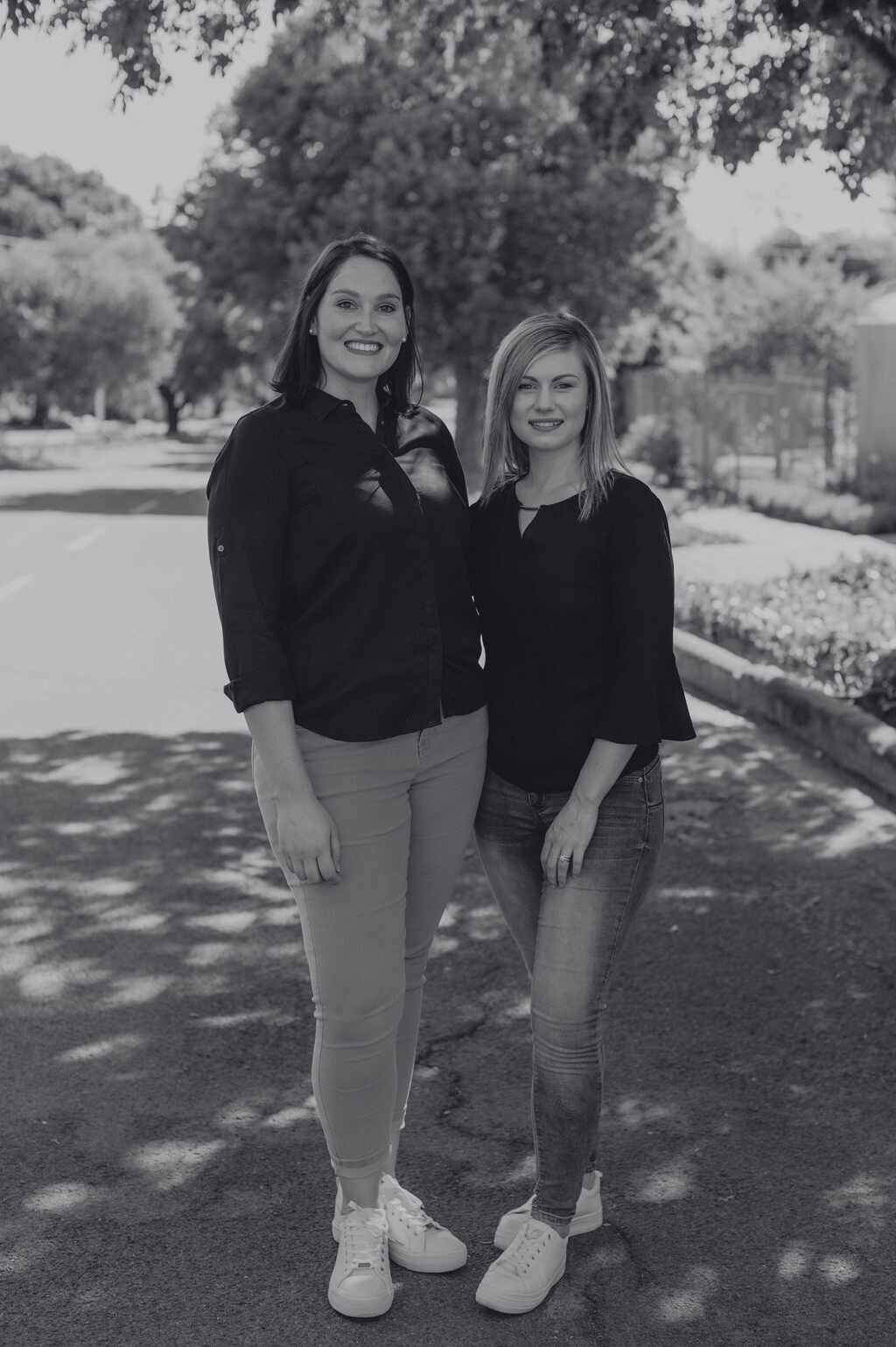
As medical receptionists, we know that our role is often busy, demanding, and sometimes underestimated—but we also know how meaningful it truly is.
We are the first voices patients hear when they call for help. We are the first faces they see when they walk through the door, often feeling anxious, unwell, or unsure. In those moments, a calm tone, a warm smile, or simple reassurance can make a world of difference. That matters more than we sometimes realise.
Working in medical reception and administration requires far more than answering phones and booking appointments. It takes empathy, organisation, patience, resilience, and the ability to juggle many responsibilities at once—often under pressure. We support clinicians, manage sensitive information, problem-solve daily, and help keep practices running smoothly behind the scenes.
We want to say this clearly: we are proud of the work we do.
Our role is essential to patient care. We help create safe, welcoming spaces. We help people feel heard. We help healthcare teams function at their best. Even on the tough days, our contribution matters.
To everyone working at the front desk, behind the screens, and in administration roles across the medical industry—your work is valuable. You are not “just reception” or “just admin.” You are a vital part of healthcare, and the compassion and professionalism you bring every day makes a lasting impact on patients and colleagues alike.
As we move forward into a new year, we encourage you to take pride in your role, support one another, and remember the difference you make—often without being seen, but never without importance.
We see you. We appreciate you. And we are proud to stand alongside you in this profession.
With respect and encouragement,
-René & Hardia
“You are often the first voice patients hear—and it matters.”
Game On!

Did you know:
Regular Sudoku play is linked to cognitive benefits such as enhanced concentration and focus, and potentially delaying cognitive decline.
Your Best Result is Our Promise
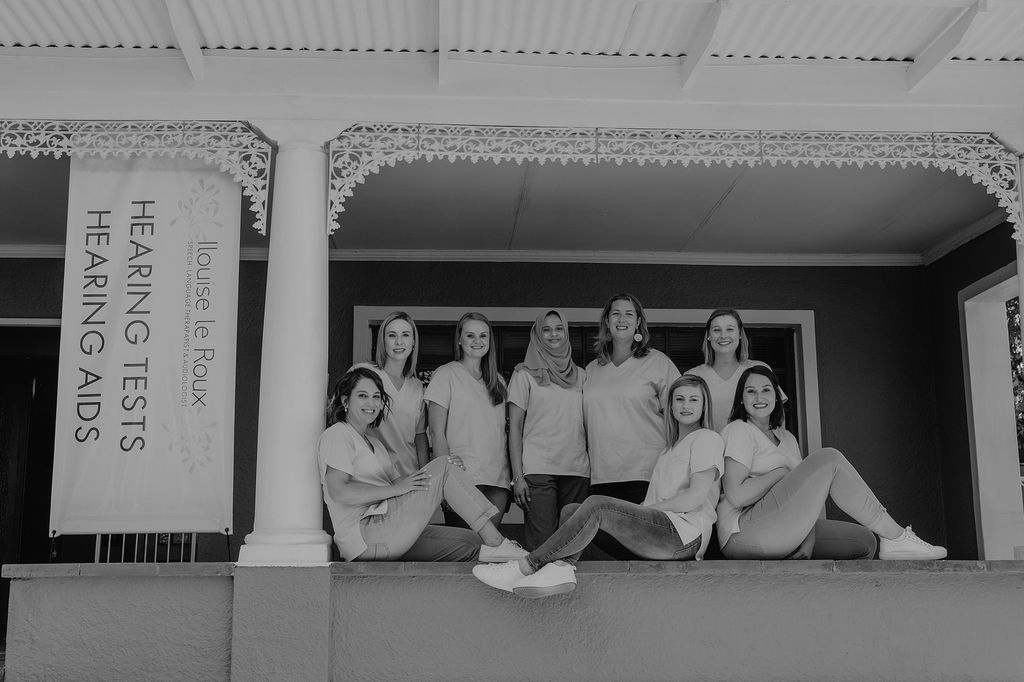
Any parent can improve their child’s behaviour, language or learning abilities. At our practice, we understand how difficult it is to seek help for your child, yourself or even a loved-one struggling with a communication difficulty or hearing related problem.
At Ilouise le Roux, we help you to improve your quality of life significantly. Our patients choose us for treating them with dignity, professionalism and empathy and we are renowned for our ability to achieve monumental shifts in positive outcomes for you.
Operating Hours: Mon-Fri 8am – 5pm
28 Brebner Road, Westdene, Bloemfontein, 9301
051 430 0048
reception@ilouiseleroux.co.za
www.ilouiseleroux.co.za
Designed & compiled by Hardia Crous